Boon ai
Visit Website
Client
Boon Ai / Aptivio
Year
2025
Role
Senior UX Designer
TEam
Mostafa Azazy - UX Designer
Tom McClean - UX Designer
Partner Overview
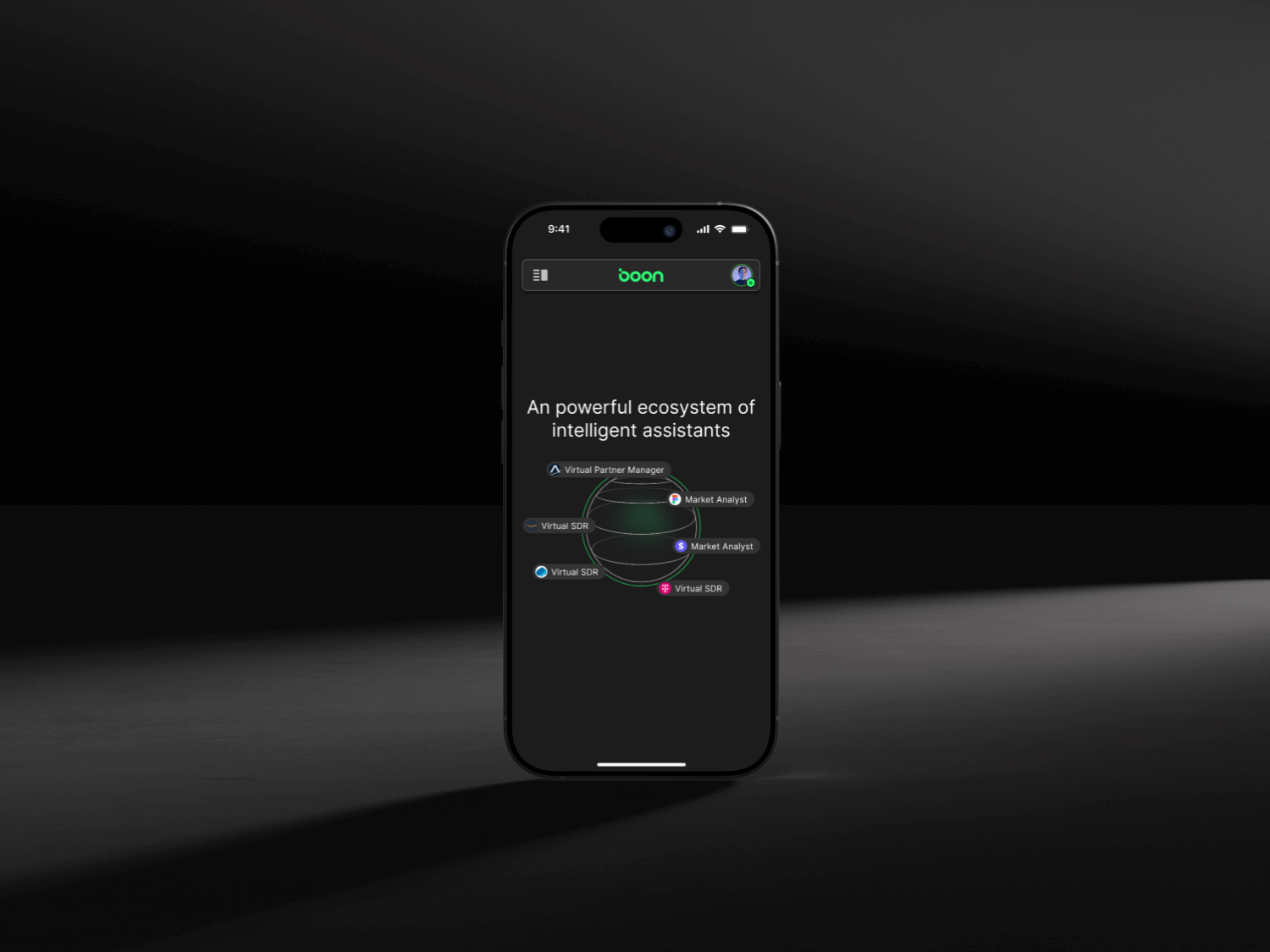
Boon.ai(formerly Aptiv.io) is a Go-to-Market (GTM) platform designed to unlock revenue growth and accelerate sales through predictive signals and generative AI copilots.
While Boon.ai’s predictive signals engine was highly advanced, the product faced challenges with user adoption, clarity, and engagement. To address this, the company began repositioning itself as an AI-first solution, aiming to build the market’s first multi-signal, multi-agent GTM copilot.
Partnership Overview
DOOR3 Design Team partnered with Boon.ai to design and build the company’s next-generation AI-powered GTM platform. DOOR3 was responsible for frontend UX design and development, collaborating closely with Boon.ai’s leadership to rethink how AI should be experienced in a modern SaaS product.
The platform was built using React.js, .NET, Microsoft Azure, and AI services, with a strong focus on usability, scalability, and differentiation in a crowded GTM market.
Product Overview
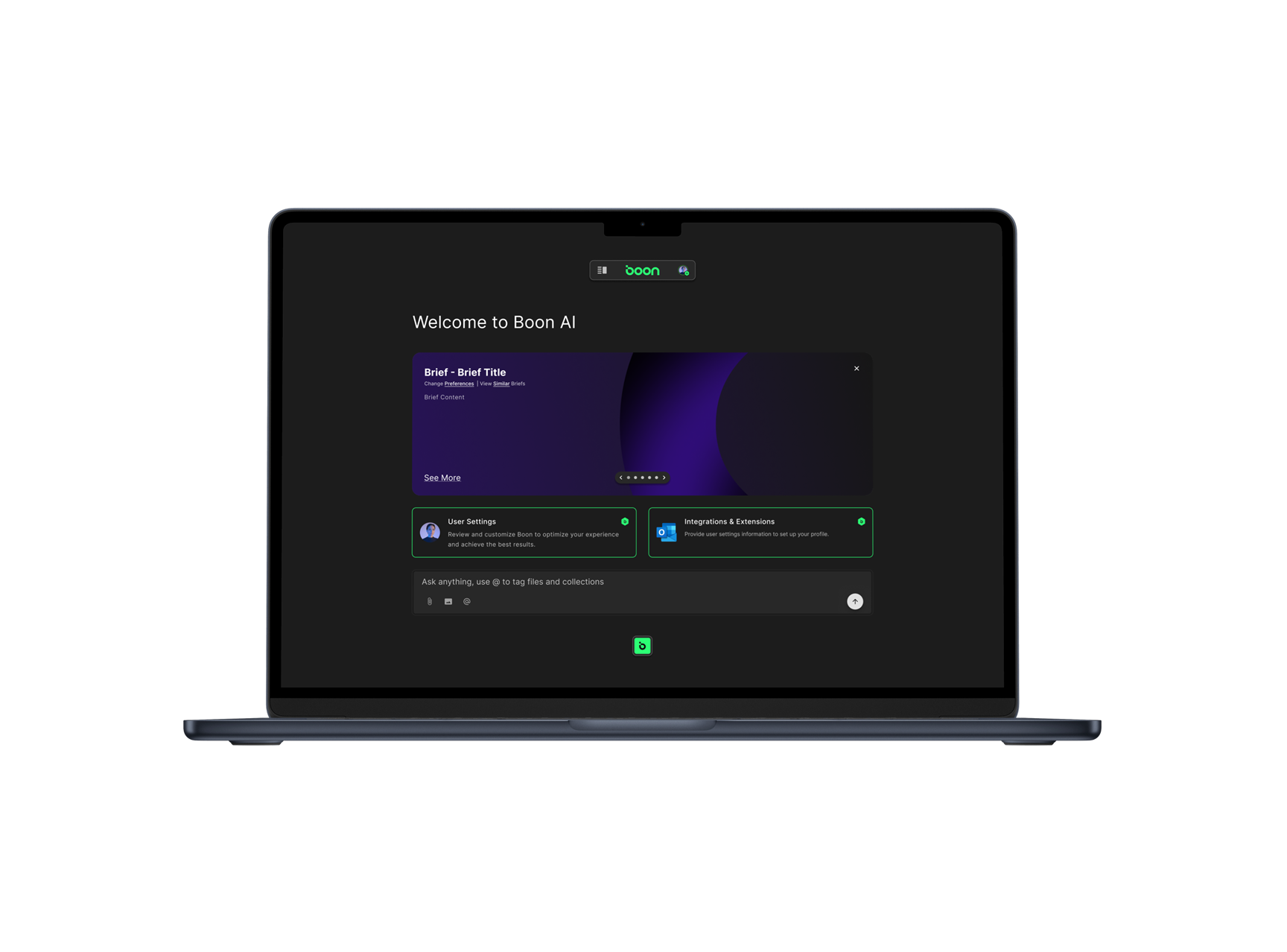
Boon.ai is an untraditional SaaS product, designed from the ground up to move beyond static dashboards and reactive analytics. Instead of treating AI as an add-on, the product places AI copilots at the center of the experience.
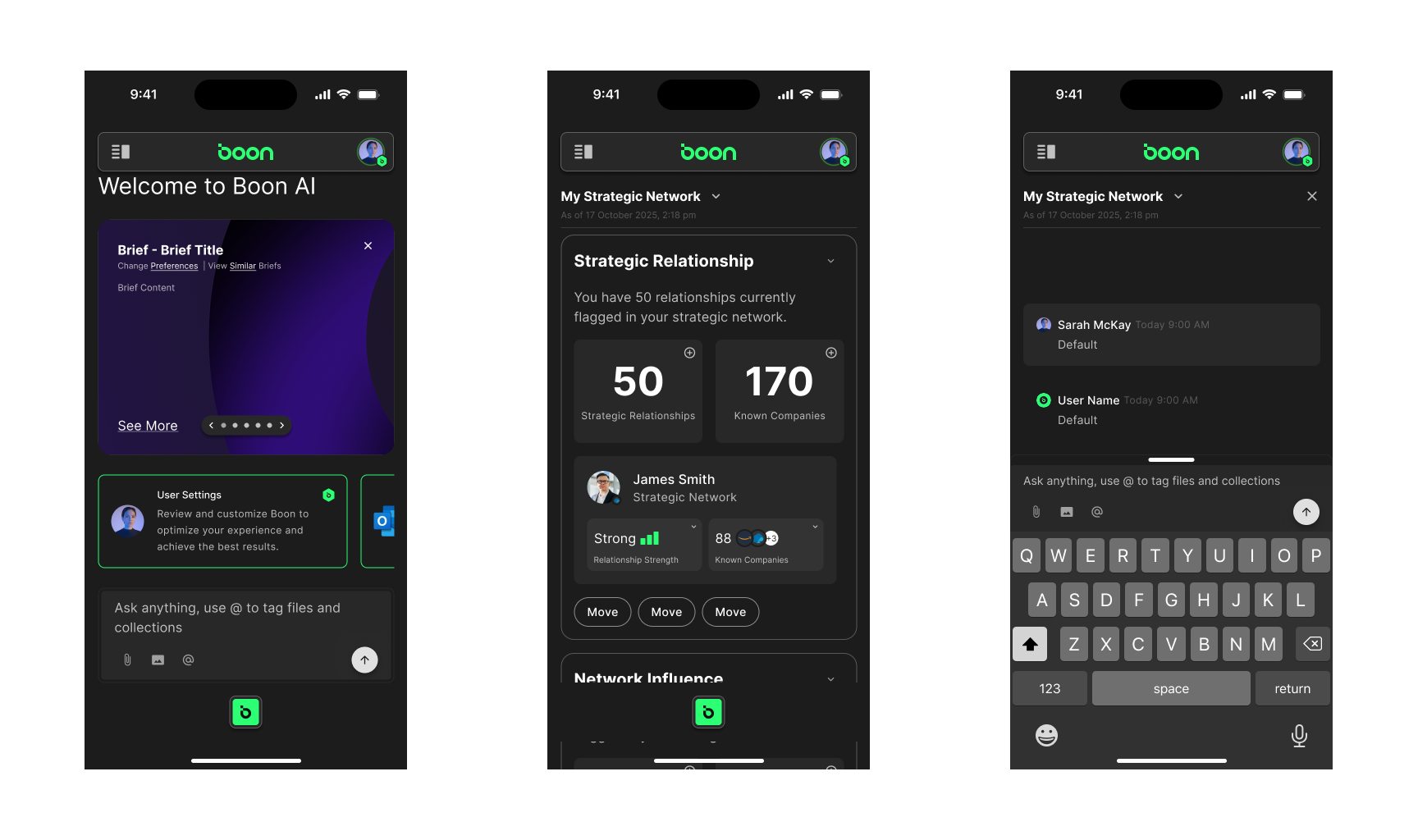
From the start, responsive design was treated as a core requirement, not a later optimization. Boon.ai users needed access to insights:
- At their desk during planning and analysis
- On mobile while traveling, in meetings, or between calls
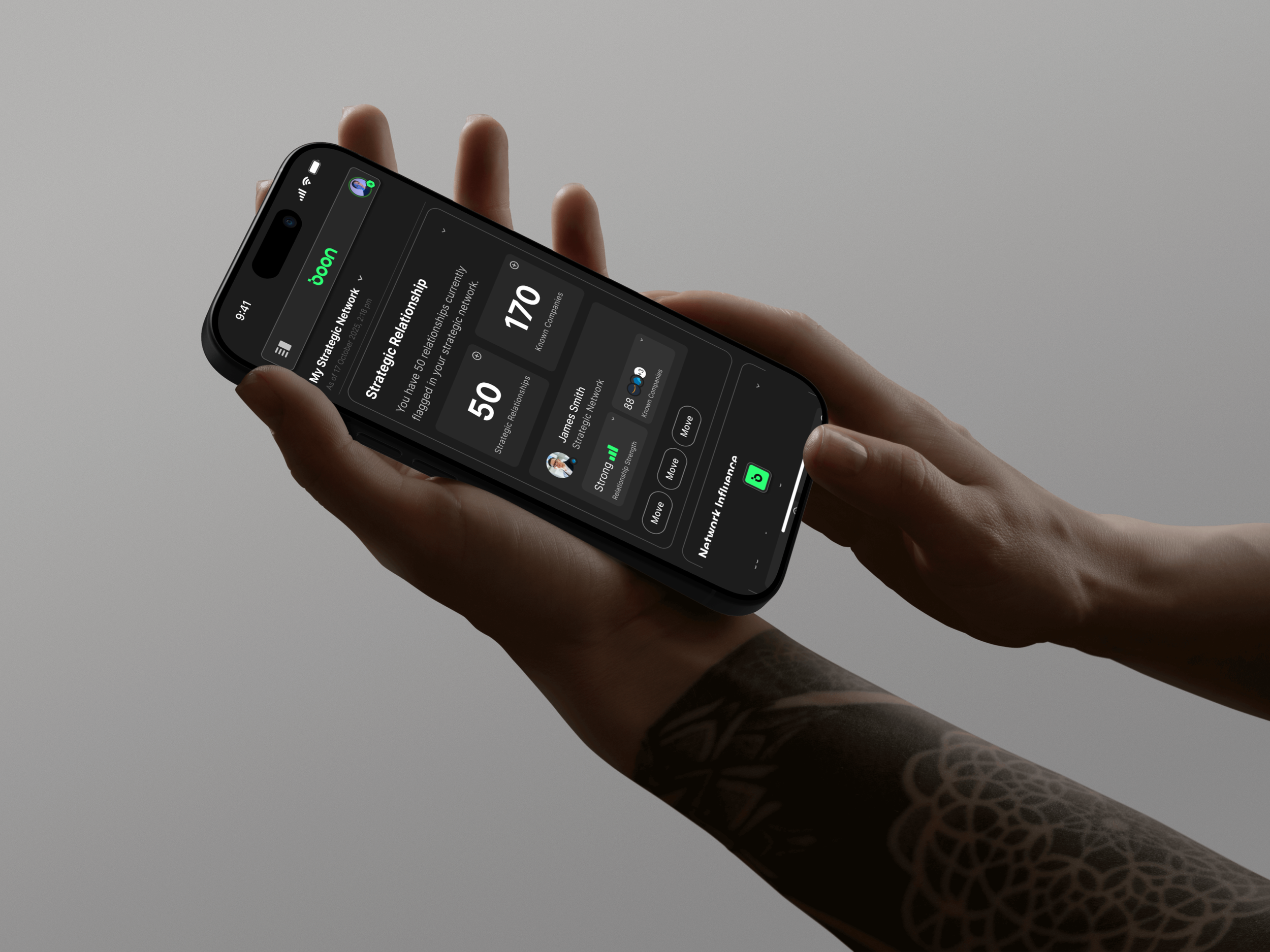
Instead of shrinking the UI, we re-prioritized content by context, ensuring the AI copilots remained useful and actionable across screen sizes.
Data-Rich Mobile Experience
The UX Challenge
How do you expose powerful, multi-agent AI capabilities without overwhelming users or forcing them to “learn the AI”?
Key UX risks included:
Information overload from multiple signals
Low trust in AI-generated recommendations
Over-reliance on traditional SaaS dashboards that don’t support AI workflows
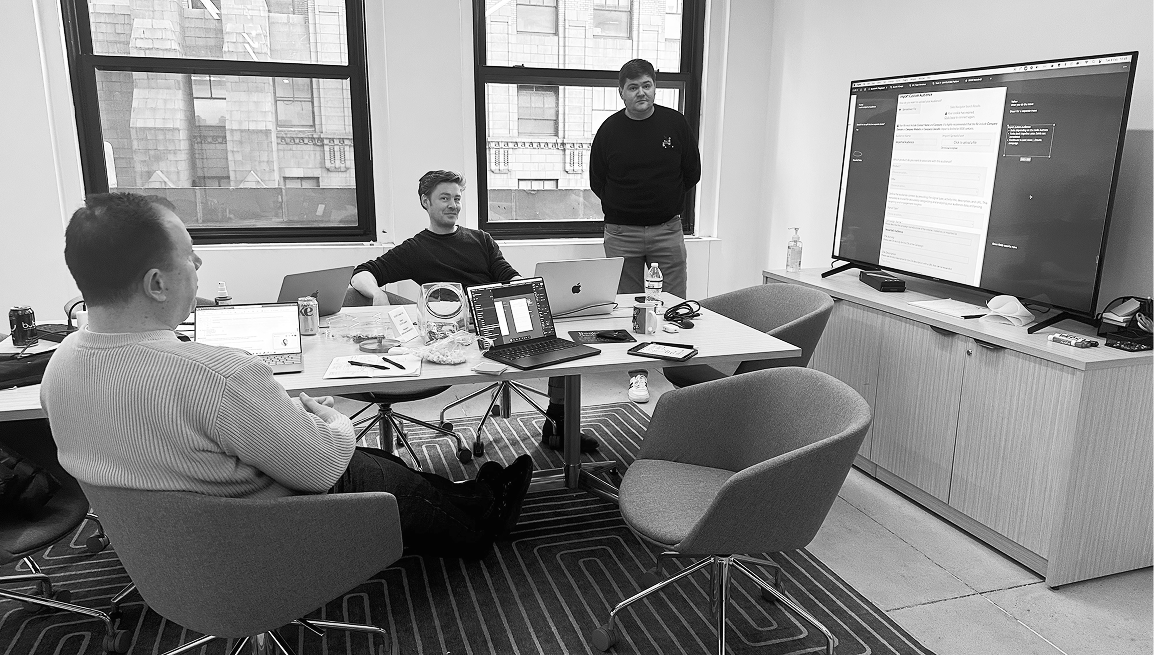
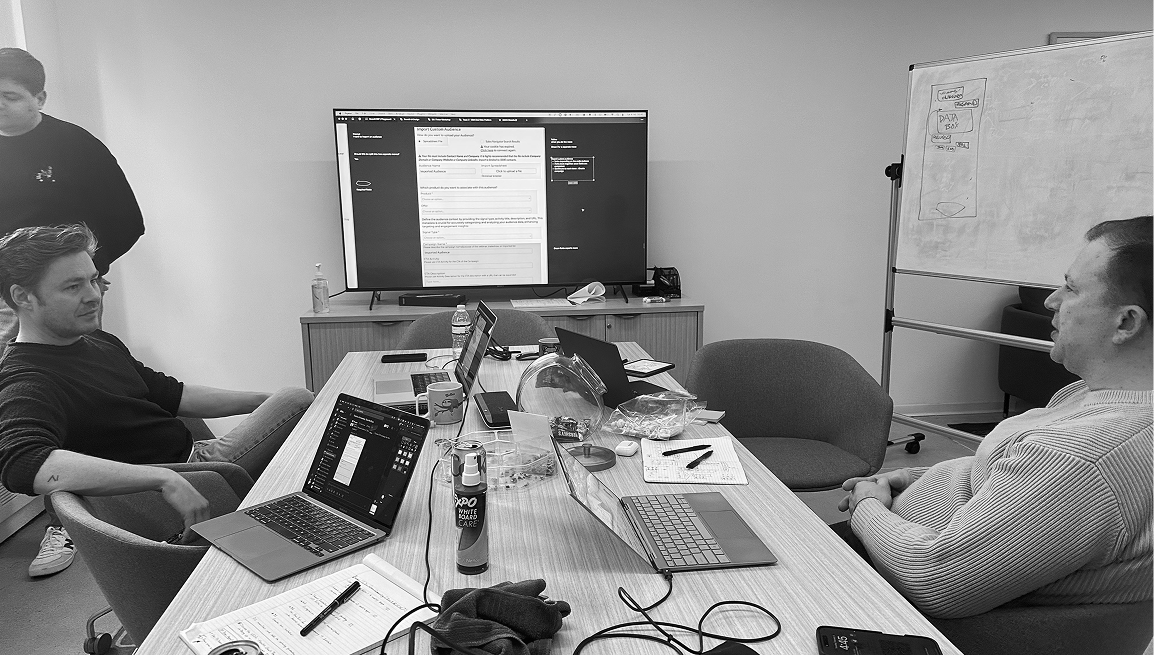
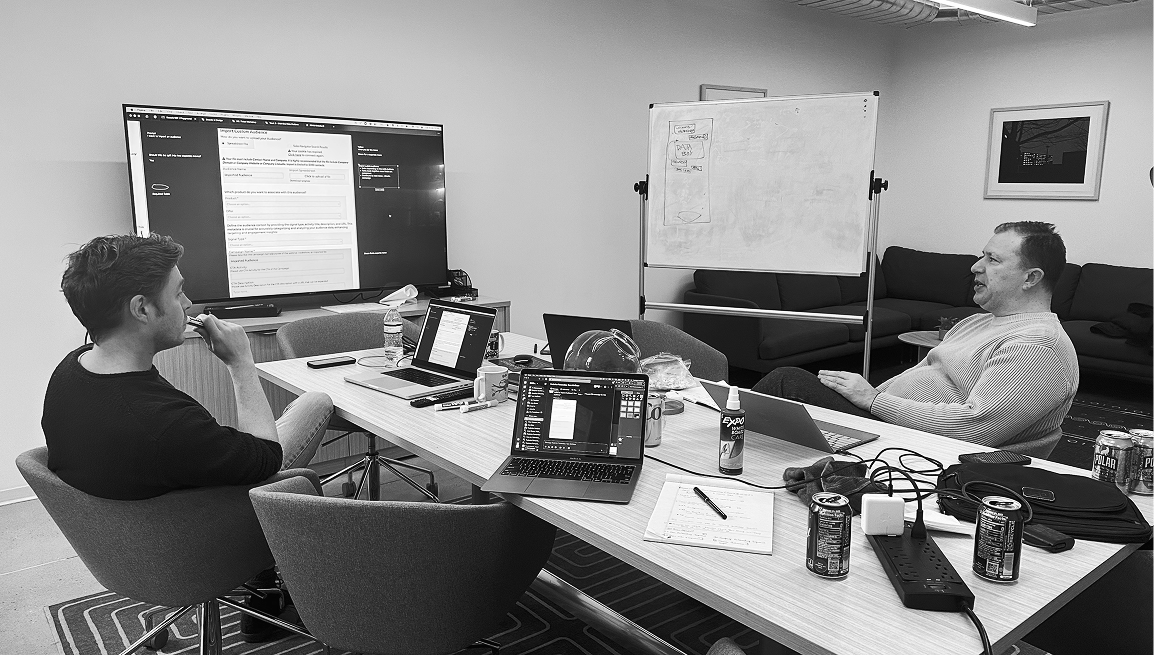
Working directly with the CEO, we developed a distinct visual and interaction language that:
Feels AI-native rather than AI-augmented
Helps users understand and trust AI recommendations
Encourages action, not just insight consumption
The result is a platform that feels fundamentally different from conventional GTM tools.
Project Highlights
Collaborative Brand Development
Worked closely with Boon.ai leadership to align the product UX with the company’s evolving AI-first brand.
Prototype for Investor Success
Delivered a high-fidelity Figma prototype that played a key role in securing VC funding.
Integrated Product Teams
Embedded Boon.ai’s UX and development team members into DOOR3’s process to ensure shared ownership and smooth handoff.
AI-Driven Innovation
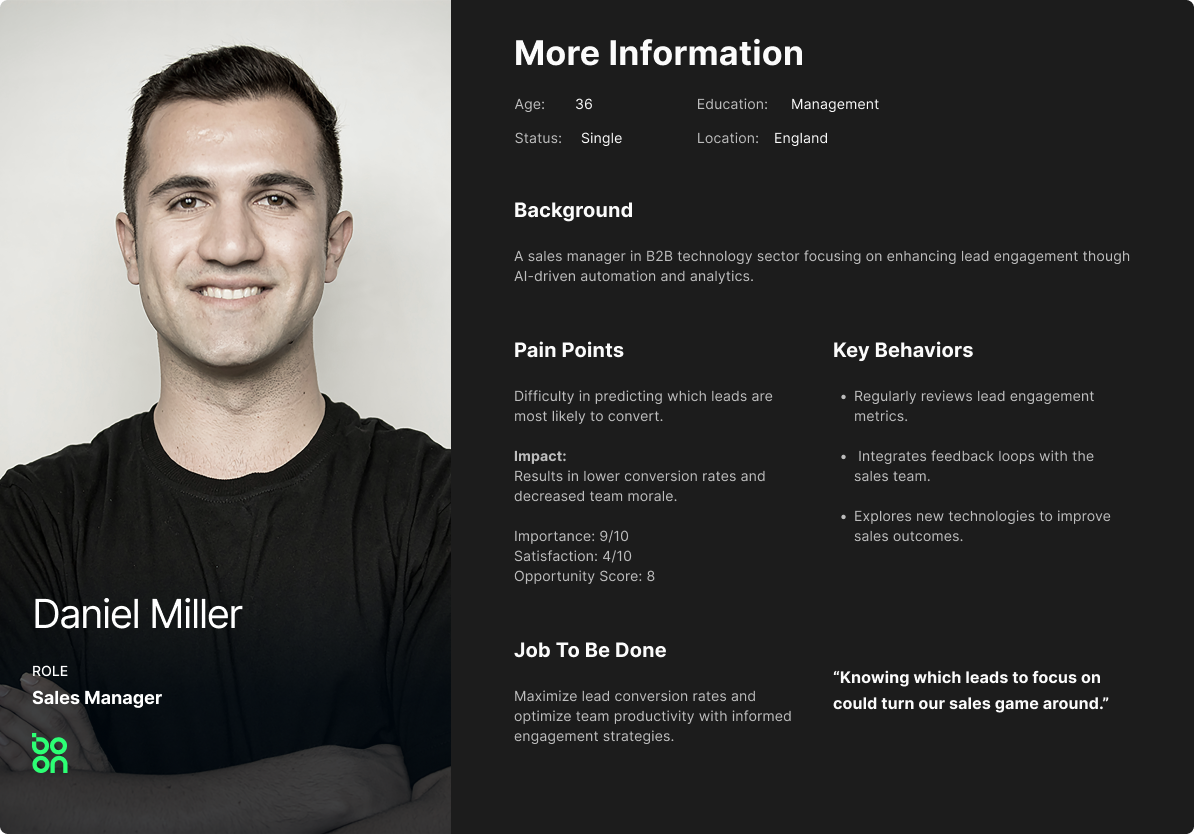
Impact
The Figma prototype played a key role in securing VC funding
Boon.ai successfully repositioned itself as an AI-first GTM platform
The product differentiated itself from traditional SaaS competitors
UX decisions helped surface the real value of Boon.ai’s AI engine
Deliverables
Prioritized feature list and product roadmap
AI-first conceptual UX and interaction model
Responsive design system across devices
Technology architecture and API definition
Frontend platform implementation in React.js
Automated QA workflows for long-term maintainability

““DOOR3 exceeds expectations in terms of innovation and the professional process they use to deliver results.””
Results
AI must drive action, not just insight
UX is critical in building trust and adoption of AI systems
Traditional SaaS patterns often break down in AI-first products
Strong UX leadership is essential when innovation, business, and AI converge
This project demonstrates my ability to
Lead UX for AI-native SaaS products
Translate complex AI systems into intuitive experiences
Collaborate directly with founders and executives
Balance innovation, usability, and business outcomes